
Mastering Basement Mold Prevention: Your Guide to Waterproofing Solutions in Harrisburg
Basements in Harrisburg are particularly susceptible to mold due to our region’s humid summers and the prevalence of historic stone foundations. We understand that effective mold prevention in basements hinges on prompt detection, diligent moisture control, robust structural protection, and expert waterproofing. This comprehensive guide will walk you through identifying common mold signs and health risks, essential moisture control techniques, the nuances of interior versus exterior waterproofing, integrating drainage systems, crawl space encapsulation, foundation repair, and the crucial decision between DIY efforts and professional services. By embracing these strategies, homeowners and commercial property owners will gain both practical advice and a clear understanding of the tailored solutions offered by HPDry Basement Waterproofing Harrisburg PA.
Spotting Basement Mold: Key Signs and Health Concerns
Identifying Visible Mold and Detecting Musty Odors in Your Basement
Mold typically appears as fuzzy or discolored patches on surfaces like walls, insulation, or floor joints, thriving on organic materials in damp conditions. You might notice black, green, or white spots forming in corners, behind stored items, or along leaky pipe lines. For instance, a dark green patch near a foundation crack often signals prolonged moisture intrusion and established mold growth. Recognizing these early visual and olfactory clues is vital for initiating targeted moisture control measures.
Basement Mold Triggers Health Issues
Exposure to basement mold can lead to allergic reactions, respiratory irritation, and potentially more serious infections, especially in sensitive individuals, as disturbed spores can release mycotoxins. Common symptoms include sneezing, itchy eyes, persistent coughs, and the worsening of asthma. For example, a commercial tenant experiencing ongoing sinus problems discovered the cause was hidden mold behind their drywall. Understanding these health risks highlights the critical importance of proactive mold prevention.
Health Risks Associated with Mold Exposure
Exposure to mold can manifest in a variety of health problems, ranging from allergic reactions and respiratory irritation to, in some instances, more severe infections. Individuals with pre-existing conditions like asthma or allergies are particularly vulnerable. Prompt detection and remediation are paramount to minimizing these health risks.
Early Mold Detection is Crucial for Harrisburg Homeowners
Catching mold early is essential for preventing structural damage and safeguarding indoor air quality, as mold flourishes in damp environments and can degrade wood, drywall, and insulation. Harrisburg’s seasonal rainfall and fluctuating groundwater levels increase the likelihood of basement leaks and hidden moisture pockets. A swift inspection can potentially reduce remediation costs by up to 50% and significantly protect your family’s health. This urgency naturally leads us to explore the most effective moisture control methods.
Effective Moisture Control Strategies for Basement Mold Prevention
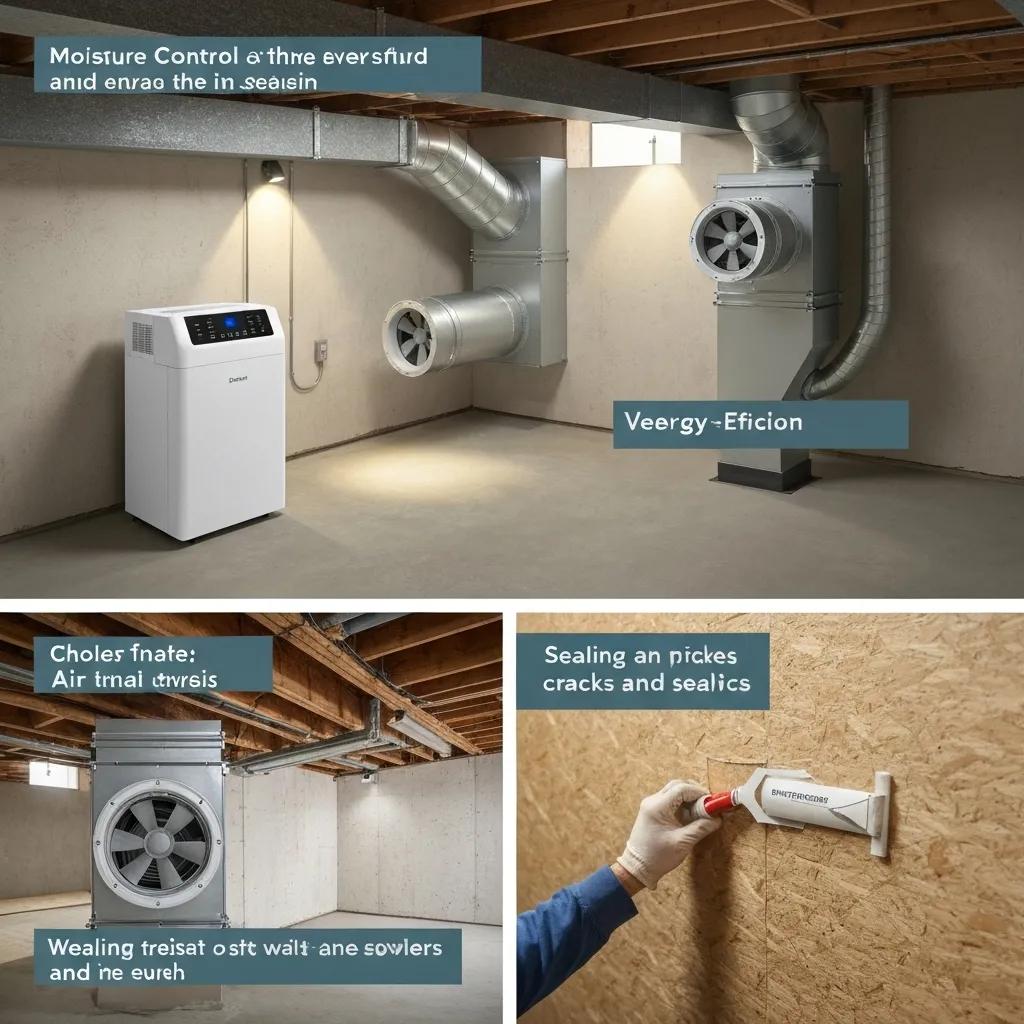
Effective moisture control involves reducing ambient humidity, enhancing air circulation, and preventing water from entering your basement to stop mold spores from taking root and growing. By implementing dehumidification, ventilation, crack sealing, and proper surface grading, we create a dry environment that is inhospitable to mold. Here’s a comparison of key methods:
Each of these methods works synergistically to maintain balanced humidity levels and block water intrusion, preparing the space for more advanced waterproofing techniques.
Dehumidifiers Maintain Optimal Basement Humidity
Dehumidifiers work by drawing air across cold coils, causing moisture to condense and drain away, thereby reducing the water vapor content in the air. This process helps maintain relative humidity levels between 30% and 50%, which is crucial for inhibiting mold spore germination and preventing musty odors. For instance, a high-capacity dehumidifier operating continuously can lower humidity by 20% in a 1,000-square-foot basement within a 24-hour period. Consistent dehumidification is foundational for stable indoor air quality.
The Link Between Humidity and Mold Growth
Mold thrives in humid conditions, with relative humidity levels exceeding 60% being particularly conducive to its growth. Controlling humidity is a cornerstone of mold prevention, as it actively inhibits spore germination and colonization. Maintaining humidity levels between 30% and 50% is the recommended range to effectively prevent mold formation.
Proper Ventilation is Crucial for Preventing Basement Mold
Proper ventilation is essential for replacing stale, moisture-laden air with drier outdoor air, thereby reducing condensation on basement walls and floors. Installing intake and exhaust vents or utilizing an energy-recovery ventilator ensures consistent air circulation. As humidity levels decrease, the risk of mold colonizing on cool surfaces diminishes. Effective ventilation integrates seamlessly with dehumidification, extending the periods of mold-free conditions.
Sealing Cracks and Improving Drainage Minimize Moisture Intrusion
Sealing visible and hairline cracks in foundation walls using hydraulic cement or polyurethane injection effectively stops groundwater seepage. When combined with interior channel drains or exterior downspout extensions, this approach redirects water away from the foundation before it can saturate the structure. Addressing both the entry points and the sources of moisture prevents the saturation that mold requires to flourish. Proper crack sealing works in tandem with grading solutions for comprehensive moisture management.
The Role of Proper Grading in Moisture Management
Surface grading involves sloping the soil away from the foundation to reduce hydrostatic pressure and effectively divert rainwater runoff. A slope of at least 6 inches over the first 10 feet away from basement walls is recommended to channel surface water toward safe drainage points. By integrating proper grading with sealed foundation joints, we significantly minimize the forces that push water against basement walls, allowing interior drainage systems to function optimally.
Interior vs. Exterior Basement Waterproofing for Mold Prevention
Both interior and exterior waterproofing methods create barriers against moisture intrusion, but they operate differently to protect your foundation and mitigate mold risks. These approaches can complement each other and should be chosen based on factors like soil type, local climate patterns, and the scope of the project. Our expertise in basement waterproofing Harrisburg ensures we select the most effective approach for your specific needs.
Advantages of Interior Waterproofing for Mold Prevention
Interior waterproofing involves installing drainage channels beneath the basement slab and applying crystalline sealants to interior walls, effectively capturing any moisture before it can spread. This method prevents moisture buildup behind drywall and helps maintain a dry airspace. In the often-confined spaces of Harrisburg basements, interior solutions can restore a mold-resistant environment without the need for extensive exterior landscaping work.
Exterior Waterproofing Protects Basement Foundations
Exterior waterproofing requires excavation around the foundation to apply a specialized membrane that repels groundwater and prevents hydrostatic pressure from forcing water inward. When paired with exterior french drains, this approach significantly reduces the load on interior systems and prevents persistent dampness. Over time, this protective barrier enhances structural integrity and halts mold growth at its very origin.
Choosing Between Interior and Exterior Waterproofing in Harrisburg
Interior waterproofing is often the preferred choice for finished basements or properties with limited yard access. Exterior waterproofing is a better option when significant excavation is feasible and long-term ground saturation is a primary concern. Given Harrisburg’s clay-rich soils, exterior membranes typically offer superior performance during heavy rainfall, while interior systems can be implemented more quickly to address acute moisture issues.
Sump Pump and French Drain Systems: Your Allies Against Basement Mold
Sump pump and french drain systems are designed to remove accumulating water before it reaches wall or slab levels, thereby preventing the conditions that mold needs to establish itself. These systems work in tandem to create an active drainage network.
The Role of a Sump Pump in Moisture Control
A sump pump functions by collecting groundwater that flows through interior drainage channels into a basin. It then automatically expels this water away from the foundation via discharge piping. This rapid water removal prevents pooling and significantly reduces basement humidity spikes. During periods of heavy rain, a properly sized sump pump can discharge over 3,000 gallons per hour, ensuring your basement remains dry.
How French Drains Effectively Divert Water from Your Basement
A french drain is essentially a perforated pipe installed within a gravel-filled trench that encircles the foundation’s perimeter. It collects water infiltrating through the soil and channels it either to a sump basin or a daylight outlet. This passive system effectively lowers the water table around the foundation and relieves hydrostatic pressure, preventing seepage and the damp conditions that promote mold growth.
How These Systems Collaborate to Reduce Mold Risk
When used together, interior sump pumps and french drains create a coordinated defense system that captures water from both outside and inside the foundation. The french drain directs soil moisture to the sump basin, where the pump then efficiently removes it from the property. This integrated solution dramatically reduces the time water remains in contact with basement walls, fostering a consistently mold-resistant environment.
Crawl Space Encapsulation: Preventing Mold in Harrisburg Homes
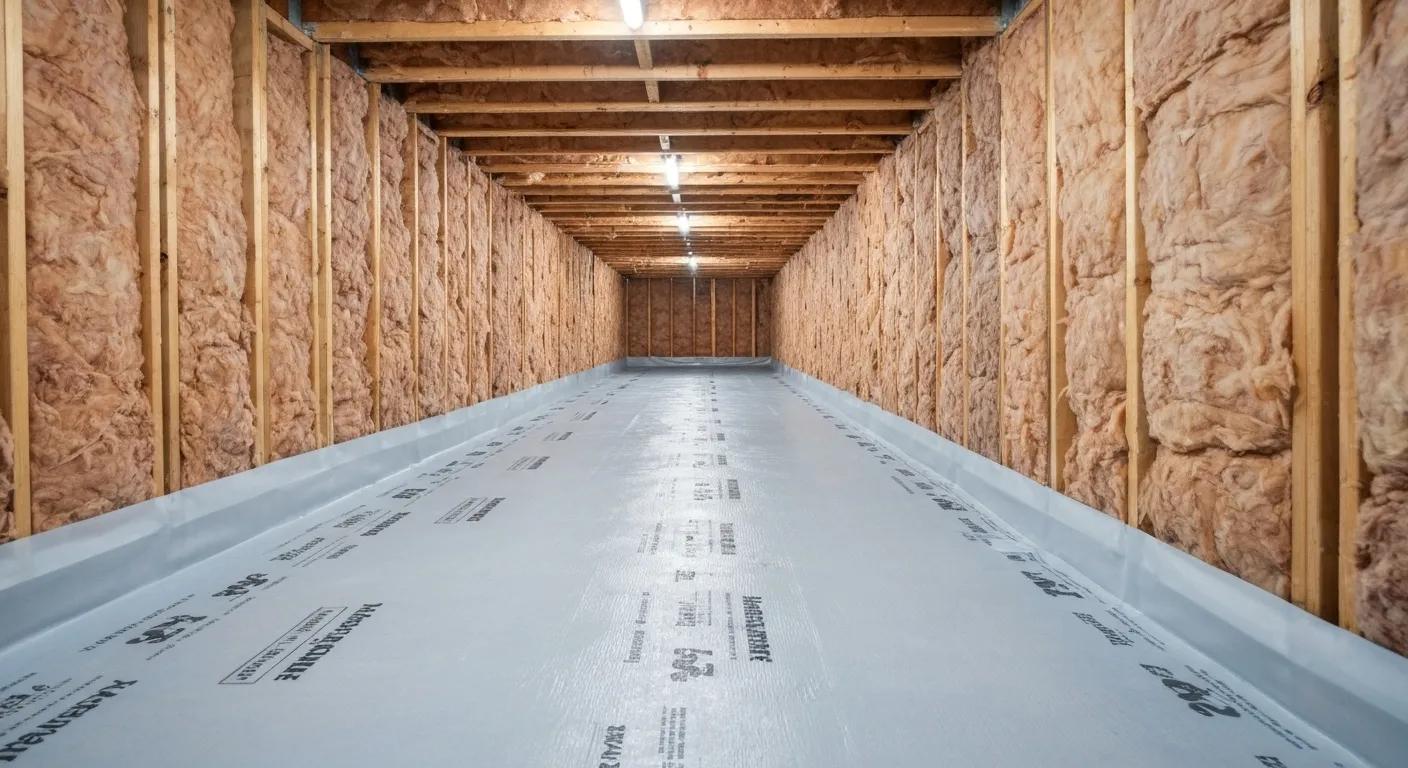
Crawl space encapsulation involves sealing the ground and walls beneath a home using a robust vapor barrier and insulation. This process isolates the space from soil moisture and external humidity, stabilizing indoor air quality and protecting vital structural components.
Crawl Space Encapsulation Manages Moisture and Enhances Air Quality
A seamless polyethylene liner is applied to cover the soil and interior walls, effectively eliminating direct moisture transfer and preventing condensation on floor joists and subflooring. By sealing vents and conditioning the crawl space environment, encapsulation significantly reduces airborne mold spores and contributes to healthier living areas above.
Dehumidification is Essential in Crawl Spaces
Installing a dedicated dehumidifier within an encapsulated crawl space is crucial for maintaining relative humidity below 50%. This prevents condensation from forming on ductwork and floor joists. Balanced moisture levels protect the wood framing and limit the proliferation of mold spores, thereby enhancing the overall integrity of the building envelope.
Indicators for Crawl Space Mold Prevention Services
Key indicators include noticeable musty odors that permeate upstairs living areas, warped floorboards, and an increase in energy bills. Peeling paint on walls situated above the crawl space often signifies excessive humidity. Recognizing these signs prompts the need for early encapsulation efforts to avert costly repairs and mold remediation.
Foundation Repair’s Role in Basement Mold Prevention
Foundation repair directly addresses structural defects that allow water to infiltrate basements, thereby eliminating conditions favorable for mold growth. Cracks, heaving, and settling create pathways for moisture and compromise the effectiveness of waterproofing systems.
Foundation Issues Contributing to Water Intrusion and Mold Growth
Common culprits include horizontal cracks caused by soil pressure, vertical fissures resulting from settling, and bowing walls due to insufficient reinforcement. Each of these defects provides an entry point for groundwater, leading to elevated humidity levels and creating ideal conditions for mold colonies to thrive.
Foundation Crack Repair Halts Mold Development
Injecting epoxy or polyurethane foams into foundation cracks effectively bonds the concrete and seals off water channels. This restoration process not only restores structural rigidity but also eliminates hidden damp pockets behind interior finishes. Properly sealed foundations disrupt the mold lifecycle by denying spores the essential moisture they need to grow.
When Professional Foundation Repair is Necessary for Mold Prevention
Professional intervention becomes necessary when foundation cracks exceed ⅛ inch in width, when walls exhibit inward movement, or when visible mold covers an area larger than 10 square feet. In such situations, licensed contractors are equipped to evaluate structural loads and soil conditions to design durable repairs that safeguard both the foundation and the indoor air quality.
DIY Mold Prevention vs. Professional Basement Waterproofing: Making the Right Choice
While DIY methods can be effective for addressing minor humidity issues and visible mold, extensive moisture intrusion and structural problems necessitate professional solutions to ensure comprehensive mold prevention. We are experts in basement waterproofing Harrisburg, offering solutions that go beyond basic DIY fixes.
Effective DIY Tips for Basement Mold Prevention
- Utilize portable dehumidifiers in smaller basements to maintain humidity levels below 50%.
- Install window and vent screens to enhance natural airflow and reduce condensation.
- Apply mold-resistant paint to walls after thoroughly cleaning surfaces with a biocidal solution.
- Elevate stored items off the floor using plastic pallets to prevent direct contact with damp concrete.
These practical steps can help control surface-level mold and prepare your basement for more advanced interventions by professionals.
When Professional Mold Remediation is Recommended
Professional mold remediation is advisable when mold covers an area exceeding ten square feet, when individuals experience health symptoms related to mold exposure, or when moisture sources stem from structural failures. Certified technicians conduct thorough inspections, implement containment strategies, and perform safe removal to prevent recurrence and protect indoor air quality.
Partnering with HPDry Basement Waterproofing Harrisburg PA for Professional Mold Prevention
We offer customized solutions specifically designed for Harrisburg, integrating advanced waterproofing techniques, certified foundation repair, and crawl space encapsulation to address the unique soil and weather conditions of our region. Our team comprises highly certified professionals who utilize high-performance materials and provide complimentary on-site inspections to accurately diagnose moisture pathways. By choosing our experienced basement waterproofing Harrisburg professionals, property owners benefit from long-lasting results, transparent communication, and a steadfast commitment to achieving permanent mold resistance.
We encourage you to safeguard your basement’s health and structural integrity with our expert waterproofing and mold prevention services. Contact HPDry Basement Waterproofing Harrisburg PA today for a no-cost inspection and discover how we can ensure your space remains dry, healthy, and thoroughly protected.