
Common Basement Issues and Waterproofing Costs: A Practical Guide for Harrisburg Homeowners
Basements around Harrisburg routinely face moisture challenges. This guide lays out the usual causes, realistic repair options, and local cost expectations so you can plan with confidence. We cover everything from hairline wall cracks and seam seepage to hydrostatic pressure and mold, and connect each issue to practical waterproofing choices that work in our soil and climate. You’ll learn how to spot cracks that need a pro, the differences between interior and exterior solutions, and when foundation repair will drive up the price. We also explain complementary systems—sump pumps, French drains, and crawl-space encapsulation—and show typical Harrisburg cost ranges so you can compare estimates and decide when to request an on-site evaluation.
What Are the Most Common Basement Issues in Harrisburg, PA?
Most basement problems in Harrisburg trace back to local soil, seasonal rainfall, and how groundwater interacts with foundations. Typical symptoms include wall and floor cracks, seam seepage, condensation, and failing drainage. Knowing the underlying cause helps you pick the right fix: seepage at a joint often points to a drainage issue rather than a failing foundation, while horizontal cracks can be a structural red flag. Clay-rich soils and freeze–thaw cycles in our area increase lateral pressure on foundations, which raises the chance of hydrostatic-driven leaks and usually steers solutions toward better drainage. Correctly identifying the symptom narrows whether an interior repair will do or whether exterior excavation is necessary, and it makes contractor bids easier to compare.
Which Basement Cracks and Leaks Require Waterproofing?
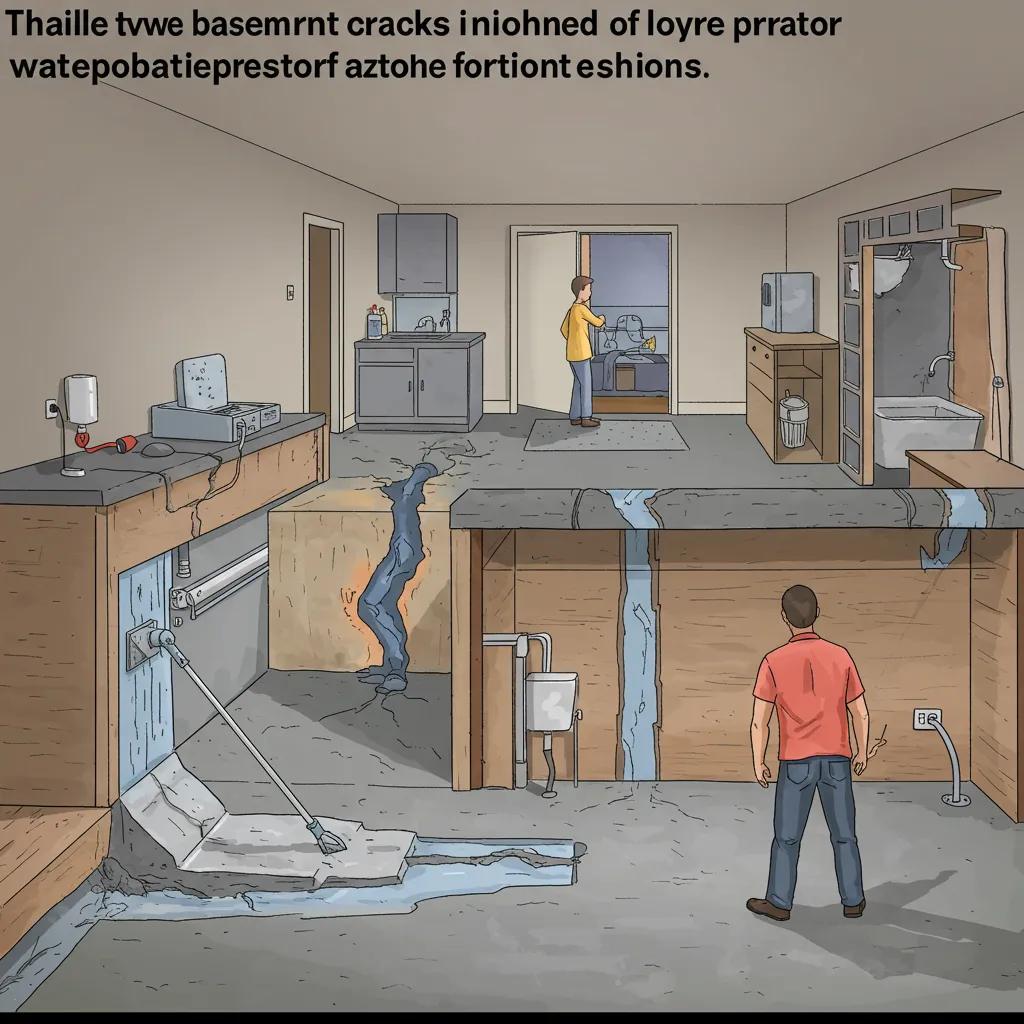
Not all cracks are equal. Classifying them tells you if waterproofing alone will help or if structural repair is needed. Hairline shrinkage cracks usually aren’t structural but should be sealed to keep moisture out. Vertical or diagonal settlement cracks may be monitored and sealed if they’re stable. Stair-step and horizontal cracks—especially in block foundations—often point to movement or lateral pressure and usually need structural repair plus waterproofing. For each crack type, next steps range from simple sealing and monitoring to consulting a structural specialist for reinforcement or underpinning. Catching the right crack type early keeps costs down and prevents mold and more extensive damage.
How Does Hydrostatic Pressure Affect Basement Integrity?
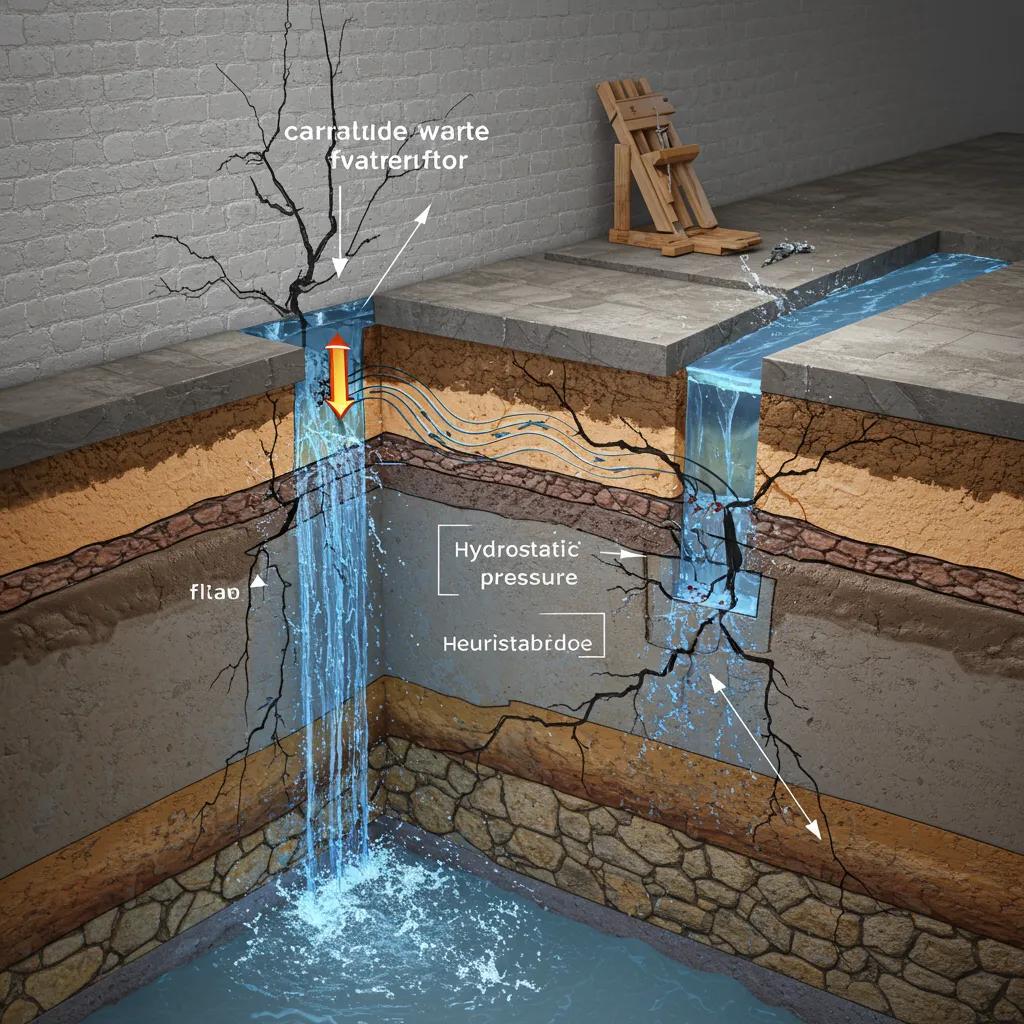
Hydrostatic pressure is groundwater pushing on foundation walls and slabs. In Harrisburg, saturated soil can press on weak points—cracks, seams, or porous mortar—and force water inward or even lift slabs. Fixing visible moisture without addressing the pressure is often only a temporary solution. Long-term fixes focus on relieving that pressure: exterior drainage, interior channeling with a sump pump, and improving grading or surface runoff. Knowing how hydrostatic pressure works explains why some jobs require excavation and why interior-only fixes sometimes fail when groundwater stays high.
How Much Does Basement Waterproofing Cost in Harrisburg, PA?
Waterproofing costs in Harrisburg depend on scope, chosen method, and site conditions. Projects tend to fall into low, mid, and high ranges based on access, needed repairs, and drainage complexity. National baselines for 2025 put many mid-range jobs in the several-thousand-dollar band, but Harrisburg’s soil and labor conditions shift those numbers. Below is a quick comparison of common services with typical local cost ranges to help you estimate and compare bids. The table reflects the services homeowners ask for most often in our area.
Different services target different failure modes and carry different price expectations based on complexity and scope.
This side-by-side view shows how small, targeted repairs differ from full-system approaches: interior systems often stop active leaks for less, while exterior systems attack the source of moisture at higher upfront cost. These Harrisburg ranges give realistic expectations when comparing contractor bids and prioritizing systems for a comprehensive estimate.
After reviewing local ranges, an on-site assessment is the next step to confirm scope. HPDry Basement Waterproofing Harrisburg PA offers free estimates to evaluate your site and recommend the most appropriate solution—interior fixes, exterior excavation, or a combined foundation repair plus drainage approach depending on soil, access, and house conditions. We provide quality basement waterproofing service in Harrisburg.
What Is the Average Basement Waterproofing Cost in Harrisburg?
For planning, a useful baseline is this: many mid-scope projects in Harrisburg average in the low‑to‑mid thousands, while full exterior excavations or jobs that require foundation repair can reach the high five-figure range for larger homes. Interior drainage with a reliable sump pump usually sits at the lower end of the spectrum; exterior membranes and underpinning push costs higher. Tight crawl spaces, finished basements, and required structural work are common reasons two similar homes get very different quotes. Use the average as a planning number—get an on-site estimate for the final price.
Which Factors Influence Basement Waterproofing Prices?
Several variables drive quotes. Understanding them helps you evaluate bids and avoid surprises:
- Basement size and square footage: Bigger areas need more materials and labor.
- Severity and type of damage: Structural fixes or widespread water intrusion add significant cost.
- Method chosen (interior vs exterior): Excavation and exterior membranes cost more than interior drainage systems.
- Access and site complexity: Tight access, landscape restoration, and utility conflicts increase time and expense.
- Materials and labor rates: Premium membranes, heavy‑duty pumps, and local contractor rates affect totals.
These factors compound predictably: exterior excavation plus underpinning multiplies material and labor needs, while easy-access interiors with few finishes lower disruption and cost. Ask contractors for itemized proposals so you can compare line items side-by-side.
What Are the Differences Between Interior and Exterior Basement Waterproofing Costs?
Interior and exterior methods take different approaches to moisture, and their cost profiles reflect that. Interior solutions usually cost less because they avoid excavation and channel water to a sump; exterior systems cost more but stop water before it reaches the foundation. Interior work typically includes an interior French drain, sump pump, and sealants; exterior work involves excavation, a waterproof membrane, and exterior drains. Your choice depends on whether you need fast leak control, long-term foundation protection, or relief from hydrostatic pressure. The table below compares components, average local costs, and the pros and cons to help you decide.
Each approach trades cost and disruption for durability and scope of protection.
Interior solutions are often the practical choice for finished basements or immediate leak control; exterior systems are preferred when preventing long‑term foundation deterioration is the goal. When budget and access allow, many Harrisburg homeowners opt for a combined approach for added peace of mind.
HPDry Basement Waterproofing Harrisburg PA installs both interior and exterior systems and offers flexible payment plans to fit project scope and budget. We provide quality basement waterproofing service in Harrisburg. When comparing options, weigh short‑term savings against potential long‑term damage and maintenance.
How Much Does Interior Basement Waterproofing Cost?
Interior systems redirect water that has already entered the basement, usually with an interior French drain, perimeter channeling, sump pit, and pump. These projects are generally less expensive than exterior excavations. In Harrisburg, small interior repairs can be under $2,000, while full‑perimeter systems with high‑capacity pumps run several thousand dollars. Interior solutions work well when hydrostatic pressure can be relieved without excavation or when excavation would harm finished spaces. Investing in a quality pump and battery backup raises upfront cost but greatly reduces flood risk during outages.
What Are the Costs and Benefits of Exterior Waterproofing?
Exterior waterproofing addresses the root problem—water hitting the foundation—by adding membranes, drainage board, and exterior French drains. Excavation is the biggest cost driver and landscape restoration often adds substantially. Exterior projects in Harrisburg vary based on excavation depth, soil removal, and foundation condition; durable membranes and proper grading deliver long‑term protection. The main advantage is lowering hydrostatic pressure and keeping moisture from reaching the wall, which reduces the need for interior fixes down the road. Plan for yard disruption and potential permit or site‑access costs when choosing exterior work.
How Can Basement Crack and Foundation Repairs Affect Waterproofing Costs?
If foundation repair is needed, your waterproofing budget will likely increase because structural fixes must be integrated with moisture control to ensure a lasting solution. Structural crack repairs—epoxy injections for non‑structural cracks, or carbon fiber and underpinning for serious movement—add both materials and labor and can change the project sequence. Coordinating foundation repair with waterproofing is often more cost‑effective than doing them separately: combined mobilization and integrated solutions address root causes instead of symptoms. Below are short diagnostic tips and guidance on how repair and waterproofing costs interact.
What Types of Basement Cracks Need Repair in Harrisburg?
Certain crack patterns point to deeper issues and warrant a structural assessment: horizontal cracks, stair‑step cracks in block walls, and large settling gaps often indicate movement that needs professional repair. Hairline shrinkage cracks are common and can usually be sealed to keep water out, while diagonal or stepped cracks near openings may indicate differential settlement requiring reinforcement. Proper classification saves money: small cracks often respond to low‑cost injections or sealants, while structural cracks require engineering and underpinning that significantly raise the budget. Track changes in crack width over time to judge urgency and whether to combine repair with waterproofing.
How Much Does Foundation Repair Cost in Harrisburg, PA?
Foundation repair costs depend on the method. Epoxy injections and carbon fiber reinforcement sit in the lower‑to‑mid range, while underpinning and major stabilization are high‑end solutions. Minor epoxy repairs may cost a few hundred to a couple thousand dollars; stabilization systems and underpinning that address major settlement often add several thousand to tens of thousands. When foundation repair is necessary, ask contractors for integrated quotes that include waterproofing to avoid rework—coordinated work can lower the overall bill compared with separate projects. Always request an itemized proposal to compare the incremental cost of combining waterproofing with structural repair.
What Are the Costs and Benefits of Additional Waterproofing Solutions?
Complementary systems—crawl‑space encapsulation, sump pumps, and French drains—improve overall moisture control and usually deliver measurable gains in indoor air quality and long‑term durability. Each system plays a role: encapsulation seals and conditions crawl spaces to block ground moisture and improve HVAC efficiency; sump pumps actively remove water and guard against floods; French drains redirect groundwater away from the foundation. The right combination depends on your home’s failure modes; paired systems give redundancy and cut mold risk more reliably than single fixes. The table below compares common paired systems by installation cost, maintenance, and primary benefit so Harrisburg homeowners can weigh options.
Below is a concise comparison of commonly paired systems and their trade‑offs for Harrisburg homes.
How Much Does Crawl Space Encapsulation Cost in Harrisburg?
Crawl‑space encapsulation typically includes a heavy‑duty vapor barrier, sealing vents, insulation upgrades, and often a dehumidifier. Costs in Harrisburg usually start in the low thousands and rise with crawl‑space size and condition. Proper encapsulation reduces ground moisture entering the home, can improve HVAC efficiency, and limits mold growth—benefits that translate to comfort and potential energy savings. Ongoing maintenance is modest but important: monitor the vapor barrier, control condensation, and service the dehumidifier as needed. Encapsulation is especially useful for homes with humid ground conditions or older vented crawl spaces that drive interior moisture.
What Is the Cost of Sump Pump Installation and Maintenance?
Sump pump installation in Harrisburg ranges from basic pedestal pumps under $1,000 to submersible or battery‑backed systems that cost more but offer greater storm resilience. Routine maintenance—inspection, float testing, and an annual check—costs little and greatly extends pump life. Battery backups add to the initial price but significantly improve reliability; batteries usually need replacement every few years. Balance pump capacity and backup choices with your local flood risk to pick a system that minimizes basement damage risk.
How Much Does French Drain Installation Cost in Harrisburg?
French drain prices depend on length, depth, soil type, and whether the drain is interior or exterior. Exterior installations require excavation and landscape restoration, which raises costs; interior drains are less invasive and generally cheaper but may need more maintenance in heavy groundwater. Clay versus gravel soils affect excavation difficulty and drainage performance, so a site‑specific estimate is the most reliable way to know cost. For many Harrisburg homes, a targeted French drain paired with a sump pump gives effective hydrostatic relief at a reasonable price.
Why Is Professional Basement Waterproofing Worth the Investment?
Professional waterproofing protects health, prevents structural damage, and preserves property value—often at a lower lifetime cost than repeated repairs. Proper systems address root causes—hydrostatic pressure, poor grading, or failed drainage—instead of only masking visible moisture. For Harrisburg homes, a professional solution takes local soil conditions and seasonal rainfall into account to build lasting protection. Many homeowners recoup a portion of their investment through avoided repairs and improved resale value; a quality estimate helps you weigh those trade‑offs.
HPDry Basement Waterproofing Harrisburg PA emphasizes licensed, insured technicians, free on‑site estimates, and flexible payment plans as ways we support homeowners. We provide quality basement waterproofing service in Harrisburg. A coordinated on‑site assessment compares interior and exterior remedies and recommends the most durable, cost‑effective approach for your property.
- HPDry’s on‑site estimates give a clear, itemized scope so homeowners can compare options.
- Licensed and insured technicians reduce liability and help ensure work meets local codes.
- Flexible payment plans make comprehensive solutions more affordable without sacrificing quality.
How Does Waterproofing Prevent Mold and Structural Damage?
Waterproofing breaks the moisture cycle that lets mold thrive and that accelerates decay in building materials. Mold can start growing within 24–48 hours of sustained moisture, so stopping ingress and controlling humidity removes the conditions spores need to spread. Continuous moisture also weakens concrete, mortar, and wood over time, increasing rot, efflorescence, and foundation movement. Combining moisture exclusion (membranes, proper grading) with active removal (sump pumps, dehumidifiers) gives both immediate protection and long‑term prevention.
What Is the Return on Investment for Basement Waterproofing in Harrisburg?
The ROI for waterproofing includes avoided repair and remediation costs, better resale appeal, and non‑quantifiable benefits like comfort and lower insurance risk. Preventing a single major foundation repair or mold remediation often outweighs the cost of a moderate waterproofing system, and buyers tend to prefer homes with documented moisture control. ROI varies by market, property condition, and solution scope, so request itemized estimates and scenario comparisons to understand projected savings and resale impact for your situation.
We provide quality basement waterproofing service in Harrisburg. To schedule a free estimate or consultation, call HPDry Basement Waterproofing Harrisburg PA at 717-678-6444 for an on‑site assessment tailored to Harrisburg soil and climate conditions.
- Request an on-site estimate: An in‑person visit uncovers access, soil, and finish constraints that affect scope.
- Compare itemized bids: Line‑item proposals make trade‑offs clear between interior‑only and exterior‑inclusive solutions.
- Prioritize long-term resilience: Spending a bit more now often prevents multiples of future repair costs.
Frequently Asked Questions
What are the signs that my basement needs waterproofing?
Look for water stains on walls or floors, musty odors, visible mold, and condensation on windows. Cracks—especially horizontal or stair‑step patterns—can signal structural concerns. Frequent pooling or flooding during heavy rain is a clear sign you should consider waterproofing to protect your home and indoor air quality.
How can I maintain my basement after waterproofing?
Regular maintenance keeps systems working: clean gutters and downspouts, inspect and test the sump pump, and check drainage lines. Monitor humidity and use a dehumidifier if needed. Periodically inspect walls and floors for new cracks or signs of moisture and address issues promptly.
Are there DIY waterproofing solutions I can try?
For small problems, DIY steps can help—seal minor cracks with waterproof caulk or epoxy, apply waterproof masonry paint, and run a dehumidifier. But significant or structural issues need a professional assessment to ensure the right fix and avoid costly mistakes.
What is the lifespan of waterproofing solutions?
Lifespan varies by method and maintenance. Interior systems—sump pumps and French drains—typically last 10–20 years with care. Properly installed exterior waterproofing can last 20 years or more. Regular inspections and upkeep extend service life.
How do I choose the right waterproofing contractor?
Research local contractors, read reviews, and confirm licenses and insurance. Get multiple, itemized estimates and ask for references and examples of similar work. A reputable contractor will explain options clearly and provide a written scope so you can compare apples to apples.
Can waterproofing help with energy efficiency?
Yes. Stopping moisture improves indoor air stability, reduces HVAC strain, and limits drafts and heat loss from damp materials. A drier basement can improve comfort and lower heating and cooling costs over time.
Conclusion
Effective waterproofing protects your Harrisburg home from moisture damage and preserves its value and comfort. Knowing typical costs and how different methods perform locally helps you make informed choices. Prioritize professional assessments and long‑term solutions where appropriate—early action usually costs less than repeated fixes. Contact HPDry Basement Waterproofing Harrisburg PA to schedule your free estimate and take the first step toward a dry, secure basement.