
How Exterior Foundation Waterproofing Protects Your Home: Comprehensive Benefits and Effective Solutions
Exterior foundation waterproofing services create a robust barrier that shields your home from water intrusion, prevents costly structural damage, and enhances indoor comfort. In this guide, we define exterior waterproofing, detail its core components and benefits, compare methods, walk through each installation step, highlight when to invest, and explain why Harrisburg homeowners trust HPDry Basement Waterproofing Harrisburg for lasting protection. By reading on, you’ll learn how membranes, drainage systems, and foundation repairs work together to safeguard your property’s integrity, air quality, and value.
Exterior Foundation Waterproofing Explained and Its Essential Role
Exterior foundation waterproofing is applying protective membranes and drainage systems to the outside of a building’s foundation to prevent water infiltration, reduce hydrostatic pressure, and preserve structural integrity. This essential service stops leaks at their source, limits mold growth, and sets the stage for long-term basement health, building the foundation for our discussion of membranes, drainage, and pressure control.
How Exterior Foundation Waterproofing Prevents Water Damage
Exterior foundation waterproofing prevents water damage by forming a seamless barrier on the foundation’s exterior that blocks moisture seepage, while integrated drainage channels capture and redirect groundwater away from the structure. This approach stops liquid migration and hydrostatic pressure buildup at the wall–soil interface by sealing cracks and covering porous concrete with durable coatings or sheet membranes. The result is a dry basement space and foundation walls free of efflorescence, spalling, and water stains.
Key Components of Exterior Waterproofing Systems
An effective exterior waterproofing system combines multiple elements to protect your home from groundwater intrusion.
- Waterproof Membrane: A continuous layer (liquid-applied or sheet) that adheres to foundation walls to block moisture.
- Drainage System: Perforated pipes, gravel trenches, or weeping tiles that collect and redirect water to a sump pump or daylight outlet.
- Foundation Repairs: Crack injections, mortar patching, and surface leveling restore wall integrity before membrane installation.
These components form a protective assembly that channels water safely away. Integrating each element ensures lasting performance and prevents the common issues of localized pressure and seepage.
How Exterior Waterproofing Addresses Hydrostatic Pressure
Hydrostatic pressure is the force exerted by saturated soil against foundation walls, which can drive water through micro-cracks and pores. Exterior waterproofing addresses this by installing a barrier membrane that resists water intrusion and coupling it with a drainage board or gravel layer to relieve pressure. As groundwater collects, the drainage system intercepts excess water and directs it into a relief channel—preventing pressure buildup and eliminating the root cause of bowing walls and foundation leaks.
Hydrostatic Pressure and Foundation Damage
Hydrostatic pressure, caused by water-saturated soil, can exert significant force on foundation walls, potentially leading to cracks and leaks. This pressure can drive water through even minor imperfections in the concrete, causing damage over time.
Main Benefits of Exterior Foundation Waterproofing for Homeowners
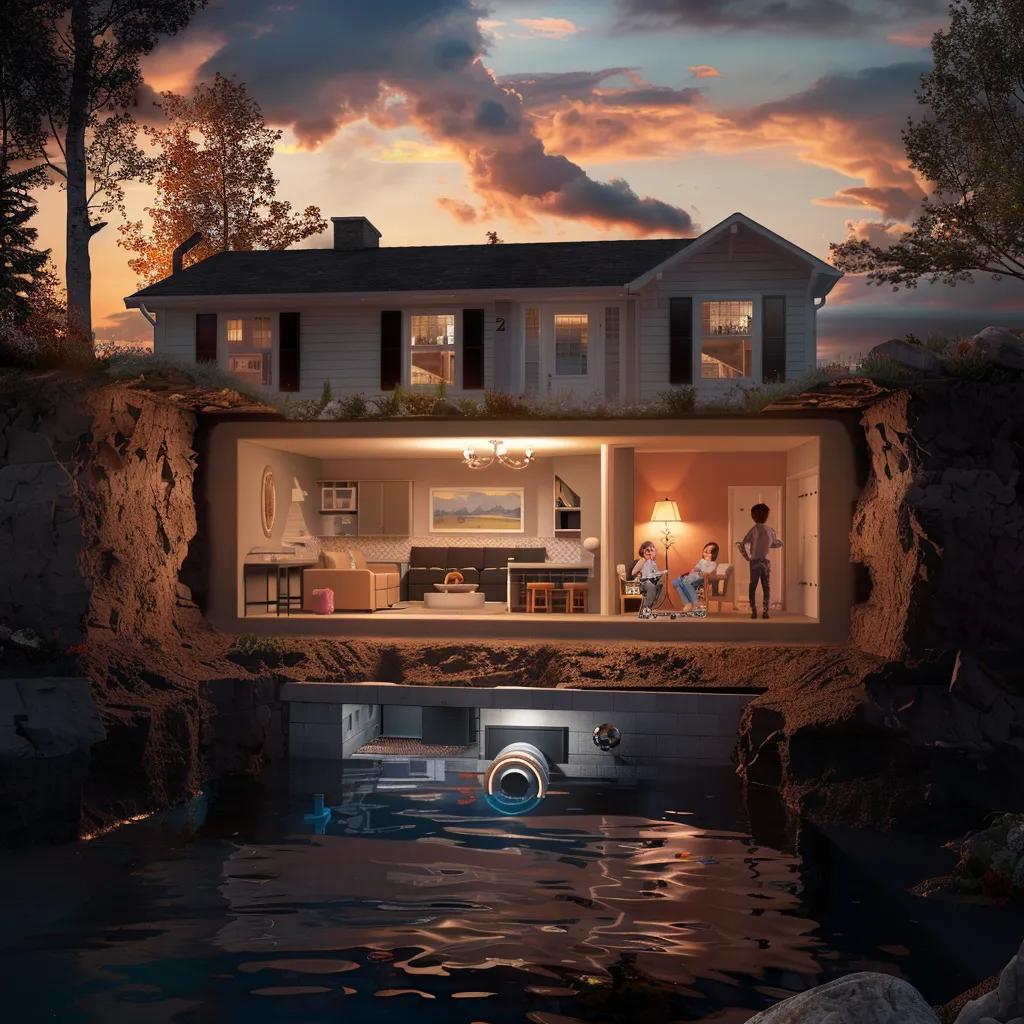
Exterior foundation waterproofing delivers multiple homeowner advantages that extend beyond a dry basement. By protecting against moisture at the source, this service preserves your investment and elevates living conditions.
How Exterior Waterproofing Protects Structural Integrity
Exterior waterproofing protects structural integrity by preventing water-induced expansion and contraction cycles in concrete and masonry, which cause cracks and spalling. A solid membrane barrier and efficient drainage system stop freeze-thaw damage in colder months and eliminate soil swelling against foundation walls—maintaining load-bearing capacity and reducing the need for costly repairs.
Ways Waterproofing Prevents Mold and Mildew Growth
Waterproofing prevents mold and mildew growth by keeping foundation walls and floors dry, eliminating the damp conditions that facilitate fungal colonization. With moisture stopped at the exterior, relative humidity in the basement drops below thresholds that support mold spores, improving indoor air quality and reducing allergy or respiratory risks.
Benefits of Exterior Waterproofing
Exterior waterproofing provides several advantages, including protecting structural integrity by preventing water-induced expansion and contraction, which can cause cracks and spalling. It also helps prevent mold and mildew growth by keeping foundation walls dry, thus improving indoor air quality.
How Exterior Waterproofing Increases Your Property Value
Exterior waterproofing increases property value by delivering a dry, usable basement space that prospective buyers view as an asset rather than a liability. A properly documented waterproofing system signals long-term durability, reduces contingency concerns during appraisals and inspections, and often yields a positive return on investment through expanded living or storage areas.
How Exterior Waterproofing Improves Indoor Air Quality and Energy Efficiency
Exterior waterproofing improves indoor air quality and energy efficiency by sealing moisture pathways that compromise insulation performance and introduce damp air. With a tight barrier and lower basement humidity, HVAC systems operate more efficiently, reducing heating and cooling costs while fostering a healthier environment free of musty odors.
Most Effective Exterior Foundation Waterproofing Methods
Exterior waterproofing methods vary by materials and techniques. Choosing the right combination ensures optimal protection tailored to your home’s construction and soil conditions.
Types of Waterproof Membranes Used on Foundations
Common waterproof membrane types include:
- Liquid-Applied Coatings: Rubberized asphalt or polyurethane seamlessly sprayed or rolled onto walls.
- Self-Adhered Sheet Membranes: Factory-laminated sheets with an adhesive backing for consistent thickness.
- Bentonite Panels: Clay-based boards that swell on contact with moisture to seal cracks and joints.
Each membrane type provides a continuous barrier, with selection based on budget, exposure, and foundation material.
Waterproof Membrane EAV Table
How Exterior Drainage Systems Like French Drains and Sump Pumps Work
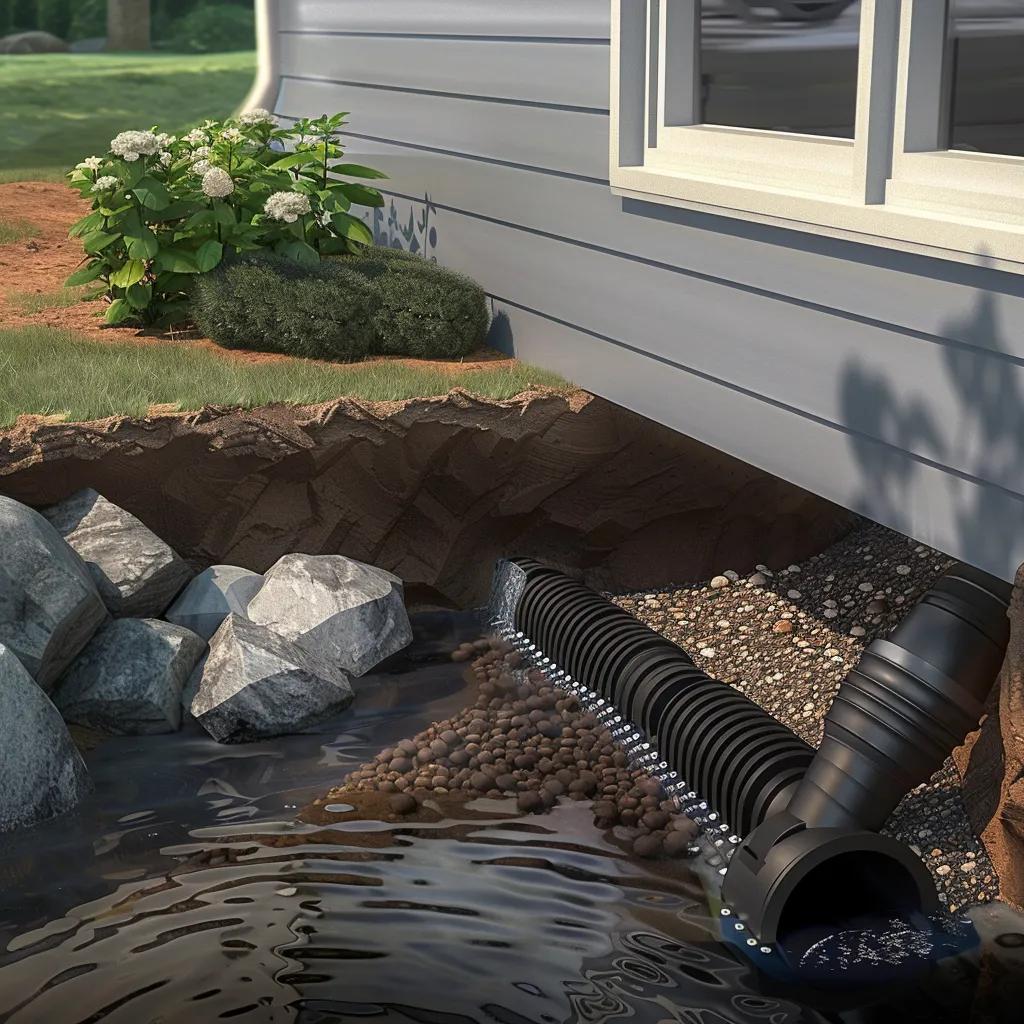
Exterior drainage systems collect and evacuate subsurface water before it contacts the foundation wall. A french drain consists of a perforated pipe set in a gravel-filled trench covered with filter fabric to prevent sediment infiltration. As groundwater seeps into the trench, the pipe channels water toward a daylight outlet or sump basin. A sump pump then automatically ejects collected water away from the home—ensuring continuous relief from hydrostatic pressure.
Foundation Crack Repair Necessity in Exterior Waterproofing
Foundation crack repair is necessary when visible fissures or leaks indicate compromised wall integrity. Before membrane installation, cracks are cleaned, injected with epoxy or hydraulic cement, and allowed to cure. Repair restores a smooth substrate for membrane adhesion and prevents localized water entry points that undermine the overall system.
Exterior Foundation Waterproofing Process: A Step-by-Step Guide
A systematic, multi-stage process ensures thorough waterproofing from excavation to finish.
Site Excavation and Foundation Preparation Details
Site excavation involves removing soil around the foundation perimeter to expose wall surfaces to the footing level. Technicians slope the soil away from the building to improve drainage and clear roots or debris. Exposed walls are then cleaned of dust, loose concrete, and efflorescence to create an optimal membrane bonding surface.
How Waterproof Membranes Are Applied to Foundation Walls
After cleaning and repairs, technicians apply a primer coat to enhance membrane adhesion. Liquid-applied systems are sprayed or rolled in two coats, while sheet membranes are pressed onto the wall with a roller to remove air pockets. All seams and terminations receive extra attention with sealant strips or adhesive tapes for a watertight finish.
Exterior Drainage System Installation Procedures
Drainage installation follows membrane application. A layer of free-draining gravel is placed against the wall, and a perforated drainpipe is positioned at the footing line. Filter fabric wraps the gravel and pipe to block silt, then is backfilled with more gravel. Water entering the trench flows into the pipe and is directed to a sump pit or daylight outlet.
Backfilling and Landscaping Completion After Waterproofing
Once membranes and drains are in place, clean fill is used to backfill the trench, which is compacted in layers to restore soil stability. Final grading ensures a positive slope away from the foundation. Landscaping is then reinstated—whether sod, pavers, or plant beds—so your yard regains its curb appeal without compromising the new waterproofing system.
Exterior vs. Interior Foundation Waterproofing Solutions
Exterior and interior waterproofing serve different roles. Understanding their strengths clarifies the best choice for lasting protection.
Advantages of Exterior Waterproofing Over Interior Methods
Exterior waterproofing offers superior long-term protection by intercepting water at the earliest point, preventing soil pressure on walls, and eliminating moisture before it enters the basement space. This proactive approach reduces the frequency of maintenance and protects insulation and finishes on both sides of the wall.
When Interior Waterproofing Might Be Considered Instead
Interior waterproofing may be considered in retrofit scenarios where landscaping features, tight property lines, or homes with minor seepage issues limit excavation. It provides a less disruptive alternative, though it does not relieve soil pressure and may require more frequent servicing.
When Homeowners Should Consider Exterior Foundation Waterproofing
Timing waterproofing correctly maximizes value and prevents escalation of damage.
Common Signs of Foundation Water Damage and Seepage
- Cracks or peeling paint on basement walls
- Damp or musty odors in lower levels
- Efflorescence (white mineral deposits) on concrete
- Water pooling near the foundation perimeter
Recognizing these symptoms early allows for timely intervention before structural issues develop.
Exterior Waterproofing Recommendation for New Construction or Existing Homes
Exterior waterproofing is ideal during new construction, as excavation is already part of the build process and membranes can be installed before backfill. For existing homes exhibiting moisture problems or hydrostatic concerns, professional exterior services deliver the most permanent remedy despite the need for trenching.
Why Choose Professional Exterior Foundation Waterproofing Services in Harrisburg, PA
When it comes to safeguarding your home against water damage, choosing professional exterior foundation waterproofing services in Harrisburg, PA, is crucial. Our team understands that local expertise is key, as conditions in Central Pennsylvania can present unique challenges for homeowners. We offer tailored solutions that cater to these conditions, ensuring your home’s foundation receives the optimal protection it needs. With our experience as a leading waterproofing company, we take pride in delivering effective basement waterproofing Harrisburg services that help you maintain the integrity of your property while giving you peace of mind about your investment.
How Harrisburg’s Soil Conditions Affect Waterproofing Needs
Our team understands that many properties in Harrisburg are built on clay-rich soils that tend to retain moisture and expand, which can significantly increase hydrostatic pressure against foundation walls. This unique soil condition directly influences the waterproofing needs of local homes and commercial buildings. To effectively combat these challenges, our basement waterproofing services are tailored to incorporate specialized membranes and drainage components specifically designed for heavy clay soils. By addressing these specific requirements, we help prevent common issues such as basement flooding and wall bowing, ensuring your property remains safe and dry regardless of the weather.
What Makes Local Waterproofing Experts the Best Choice
Our HPDry Basement Waterproofing Harrisburg team combines specialized training, industry-certified materials, and years of experience in Central PA. We understand municipal building codes, seasonal moisture patterns, and soil profiles—delivering solutions outperforming generic approaches and providing long-term reliability.
How Homeowners Can Get a Free Estimate and Consultation
To explore a customized exterior waterproofing plan, homeowners in Harrisburg can request a no-obligation site inspection and free estimate through our online form or by calling us directly. Our experts will evaluate soil conditions, foundation construction, and moisture risks to recommend your home’s optimal membrane, drainage, and repair package.
Regarding new construction and addressing existing seepage issues, our HPDry Basement Waterproofing Harrisburg team is dedicated to ensuring that your foundation stays dry and durable. We understand the importance of maintaining your property’s integrity and value, so we offer expert basement waterproofing solutions tailored to your needs.
Protecting your property is our priority, and we invite you to reach out for a free consultation. With our leading exterior foundation waterproofing services, you can safeguard your investment and have peace of mind knowing that your basement is in expert hands. Focusing on waterproofing basement solutions ensures that your home remains safe from water damage and moisture issues. Don’t wait; take the first step towards a secure foundation with HPDry Basement Waterproofing Harrisburg.