
How to Choose the Best Interior Waterproofing Solutions
Interior waterproofing is essential for protecting your home’s foundation and ensuring a safe, dry basement. At HPDry Basement Waterproofing Harrisburg PA, we provide expert basement waterproofing services that prevent water damage caused by leakage, seepage, and moisture intrusion. With twenty years of experience safeguarding properties in Harrisburg and surrounding areas, our team specializes in waterproof basement walls, crack repair, and state-of-the-art sump pump installations to overcome issues such as wet basements, efflorescence, and mildew.
Every homeowner understands that a damp basement can lead to water damage, mold growth, and decreased property value. As specialists in basement waterproofing Harrisburg, we guide you through selecting the right interior waterproofing solutions by examining methods, signs, pricing factors, and contractor evaluation tips.
What Are the Most Effective Interior Waterproofing Methods for Basements?
The first step in ensuring a dry basement is understanding the most effective interior waterproofing methods. We focus on eliminating water pressure buildup, sealing concrete block walls inside, and creating robust barriers against water infiltration.
How Does Basement Waterproofing Prevent Water Damage?
Basement waterproofing creates a barrier between moisture and your foundation walls. We install moisture-resistant membranes, apply waterproof coatings, and seal cracks to reduce porosity, preventing water from seeping through concrete, cement, or drywall. These systems work by alleviating hydrostatic pressure and directing water away from critical areas. Our interior liquid membranes form a seamless protective barrier, reducing water infiltration significantly when properly applied.
What Are the Differences Between Interior and Exterior Waterproofing?
Interior waterproofing defends the basement by treating water already present inside the foundation, while exterior basement waterproofing prevents water from reaching the foundation in the first place. Interior solutions, such as sealants and drainage systems, are less disruptive and suitable for retrofitting without excavation. Exterior methods, which require perimeter excavation and membrane installation, are best for substantial groundwater pressure. Understanding these differences helps homeowners choose the best system for addressing issues like humidity from condensation or groundwater pressure.
What Materials Are Used in Interior Waterproofing Solutions?
We use high-grade materials in our interior waterproofing systems, including polymer-based sealants, cementitious coatings, bentonite clay, and liquid membranes that bond to concrete substrates. High-performance epoxy and polyurethane coatings protect against aggressive chemicals and long-term exposure to moisture. These materials are engineered to reduce water pressure and corrosion while adapting to the natural movement of your foundation.
How Does Crawl Space Encapsulation Support Basement Waterproofing?
Crawl space encapsulation is a vital complement to interior waterproofing. Installing a robust vapor barrier in the crawl space prevents humidity and moisture from rising into living areas. This process, which involves applying a polyethylene barrier to the ground and insulating walls, creates a “dry zone” beneath your home. Encapsulation not only improves indoor air quality but also reduces HVAC energy consumption by stabilizing the environment.
What Signs Indicate You Need Interior Waterproofing in Your Basement?
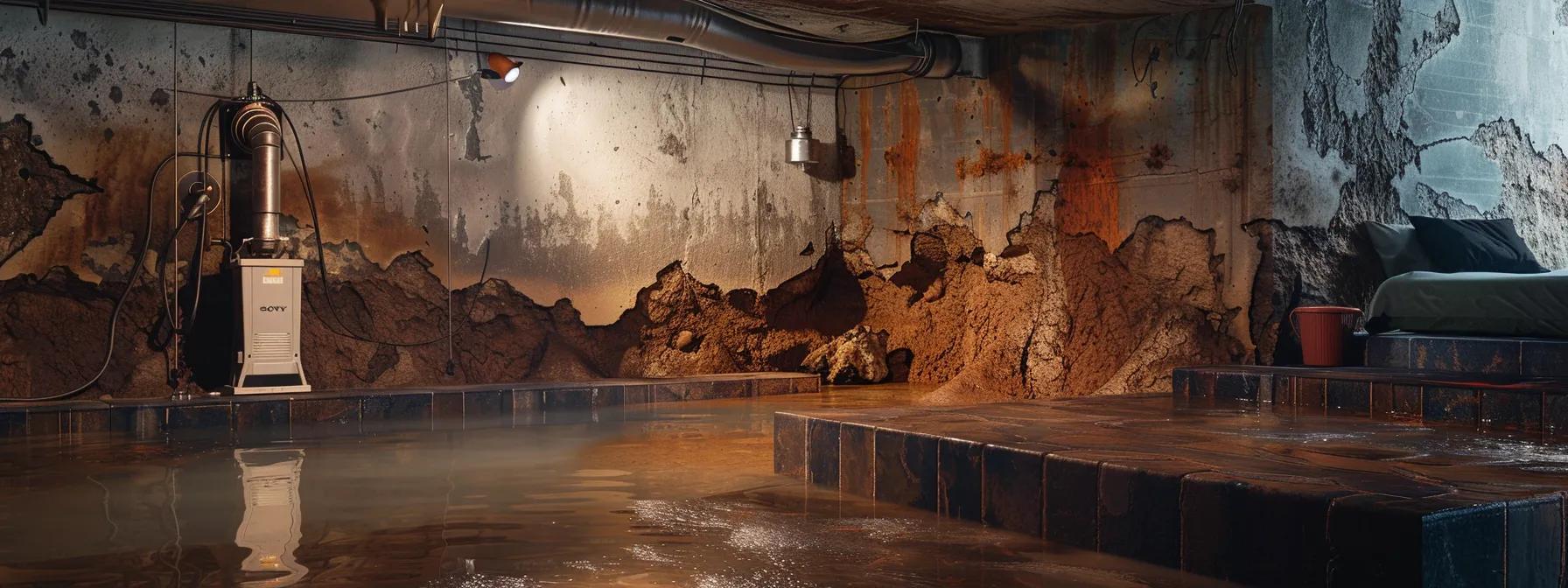
Recognizing basement water problems early is key to preventing costly repairs. Our basement waterproofing Harrisburg team emphasizes the importance of being vigilant for signs of a leaky basement, as these can lead to more significant issues if not addressed promptly. Homeowners should be alert for water stains, mold growth, and musty odors, as these indicators often suggest underlying moisture problems that can compromise the integrity of the home.
By staying proactive and addressing any signs of a leaky basement, we can help homeowners protect their investment and ensure a safe living environment. Upgrading interior waterproofing is not just a cosmetic enhancement; it is a crucial step in safeguarding against the persistent and damaging effects of basement water problems. We at HPDry Basement Waterproofing Harrisburg PA provide expert assessments and solutions tailored to specific needs.
How to Identify Water Damage and Moisture Problems in Basements?
Water damage is often evident through damp walls, stains, and efflorescence on floors and walls. We advise inspecting for peeling paint, bubbling wallpaper, and mold growth. A musty odor or humidity readings above 60% may also indicate moisture problems. For instance, white, powdery deposits on concrete (efflorescence) signal that water is evaporating and leaving salts behind. Using a moisture meter can help confirm these conditions.
What Are the Health Risks of Mold Caused by Basement Moisture?
Mold in damp basements poses health risks such as respiratory issues, allergic reactions, and long-term pulmonary complications. Exposure to mold spores can trigger asthma or worsen existing conditions. Our waterproofing measures, which include proper drainage and mold-resistant coatings, help create a dry environment that minimizes these health risks by reducing humidity levels.
When Should You Consult a Waterproofing Specialist?
It is essential to consult a waterproofing specialist at the first signs of water intrusion—whether it’s pooling water on the basement floor, damp spots on walls, or a persistent musty odor. Early professional intervention can prevent further leakage and structural damage. Our certified technicians at HPDry Basement Waterproofing Harrisburg PA perform thorough assessments using advanced diagnostic tools to determine if interior membranes, sump pumps, or combined solutions are necessary.
How Much Does Interior Basement Waterproofing Cost and What Factors Affect Pricing?
The cost of interior basement waterproofing depends on several factors. We provide transparent pricing models tailored to your specific situation.
What Are Typical Price Ranges for Different Waterproofing Solutions?
Interior waterproofing costs can vary widely. A basic treatment using liquid membrane coatings and sealants typically starts at around $3,000. More advanced systems involving sump pump installations and crack repair may range up to $10,000 or more. Factors influencing the cost include basement size, the extent of water damage, and regional labor rates. Our detailed estimates include both materials and labor, so you know exactly what to expect.
How Do Basement Size and Damage Severity Influence Costs?
Larger basements require more materials and labor, while severe water damage—such as widespread mold or extensive cracks—increases repair complexity and costs. For example, a 1,200-square-foot basement with moderate damage might cost about $7,500, whereas a smaller area with limited damage might cost closer to $4,000. A precise evaluation allows us to tailor our recommendations and pricing accordingly.
What Are the Benefits of Professional vs. DIY Waterproofing?
Professional waterproofing offers advantages in expertise, material quality, and long-term reliability. Our team at HPDry Basement Waterproofing Harrisburg PA is trained to spot subtle moisture indicators and uses industry-grade products that are not available to the average homeowner. Professional systems often come with warranties of up to 10 years, while DIY methods risk incomplete coverage and recurring issues.
Below is a table summarizing the cost differences and benefits between professional and DIY waterproofing:
How to Choose the Right Interior Waterproofing Solution for Your Basement?
Selecting the optimal waterproofing solution means evaluating unique conditions in your basement. At HPDry Basement Waterproofing Harrisburg PA, each recommendation is tailored to your property’s specific needs.
What Factors Should You Consider When Selecting a Waterproofing Method?
Consider the source of the water, the degree of moisture penetration, and the type of foundation. Material quality, installation techniques, and long-term durability are also critical factors. For example, if your basement suffers from seepage due to high hydrostatic pressure, a robust liquid membrane treatment coupled with crack repair might be ideal. Additionally, the age of your building, basement finish type (drywall versus concrete), and your budget all play a role in determining the right solution.
How Do Sump Pumps Enhance Interior Waterproofing Systems?
Sump pumps are essential for keeping the water table low and actively removing water from the basement. By collecting water in a sump basin and pumping it away from the foundation, these systems reduce hydrostatic pressure and the risk of flooding. Our systems often feature high-capacity sump pumps with advanced sensors that trigger the pump at predetermined moisture levels, reducing water accumulation by up to 70% and protecting indoor air quality.
What Are the Advantages of Crack Repair in Foundation Waterproofing?
Crack repair is crucial because even small fissures can allow significant water infiltration. The process includes cleaning cracks, applying high-strength epoxy or polyurethane injections, and sealing them with liquid membranes. Effective crack repair can reduce nighttime moisture penetration by nearly 50%, thereby enhancing the overall structural integrity and extending the lifespan of your waterproofing system.
How Does Mold Remediation Integrate With Waterproofing Solutions?
While waterproofing deters mold growth by keeping basements dry, existing mold must be remediated first. Our process involves safely removing mold with specialized cleaners before applying anti-microbial coatings to prevent recurrence. Integrating mold remediation with waterproofing improves indoor air quality, protects your health, and boosts your home’s value.
What Are the Benefits of Interior Waterproofing for Your Home’s Value and Safety?
Interior waterproofing not only stops water infiltration but also increases your home’s value by preserving its structural integrity and ensuring a safe living environment.
How Does Interior Waterproofing Protect Against Mold and Structural Damage?
Our waterproofing systems maintain a dry environment that prevents mold growth and stops the chemical and biological deterioration of building materials. By using high-quality sealants and membranes, we reduce porosity and safeguard your foundation. Combined with proper drainage and sump pump installation, our method reduces mold-related health risks and structural damage by over 65%, keeping your home safe and healthy.
How Can Waterproofing Increase Property Value and Longevity?
A properly executed waterproofing system can significantly boost your property’s value by ensuring long-term structural stability. Prospective buyers favor dry basements as proof of proper maintenance and lower future repair risks. Additionally, a dry basement minimizes condensation, mildew, and moisture-related repairs. With professional warranties in place, homeowners enjoy both increased property value and peace of mind.
What Warranty and Service Guarantees Should You Expect?
When you invest in interior waterproofing, expect a warranty that covers both workmanship and materials. At HPDry Basement Waterproofing Harrisburg PA, our warranties typically range from 5 to 10 years, ensuring that any future leakage or system failure is addressed promptly. Our service guarantees include regular sump pump maintenance, water damage inspections, and responsive customer support.
How to Find and Evaluate Interior Waterproofing Contractors?
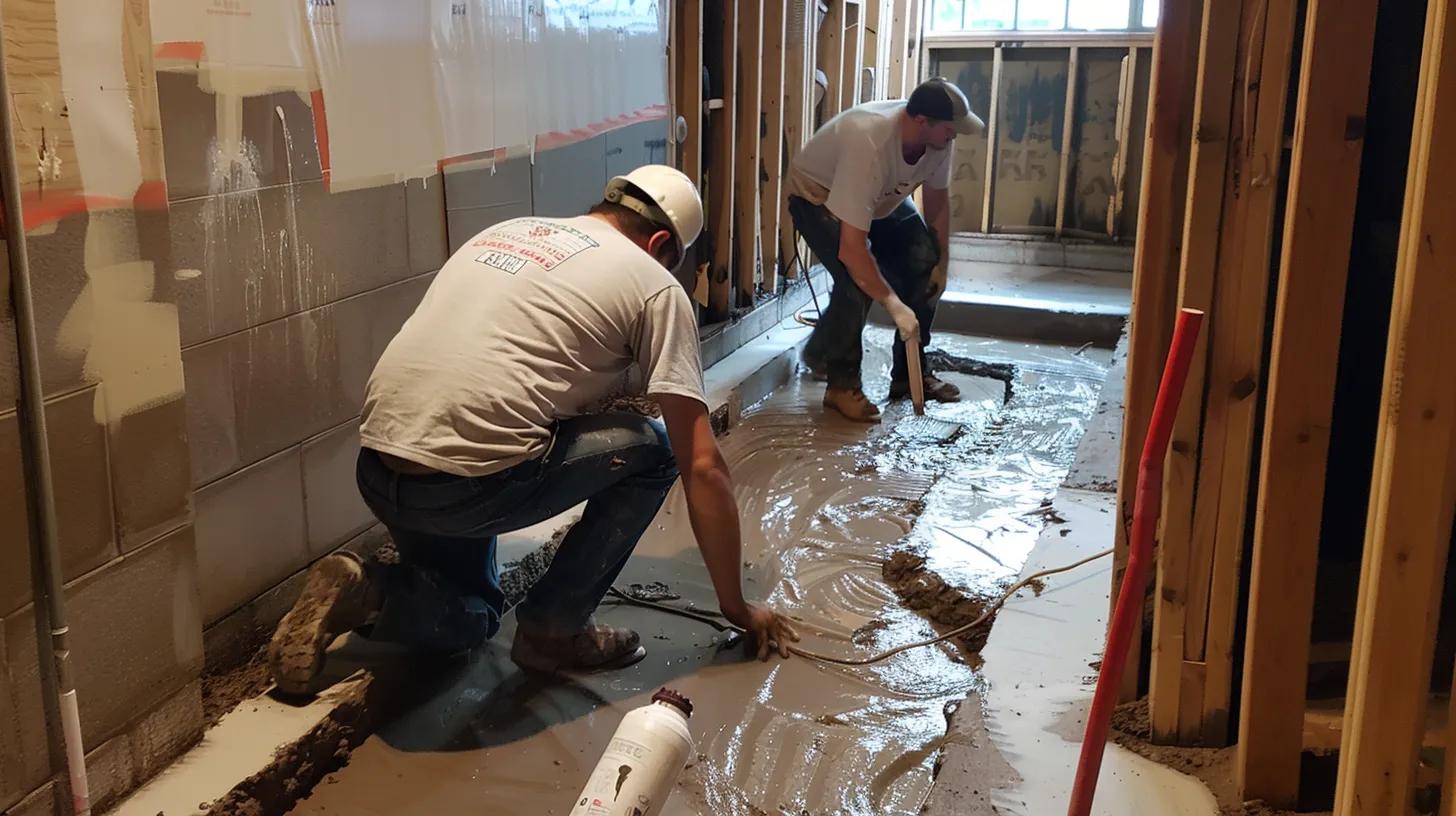


Choosing the right contractor is fundamental to the success of your waterproofing project. It is important to evaluate contractors based on certifications, customer service, and their experience.
What Questions Should You Ask Waterproofing Specialists?
Before hiring a contractor, ask about their methodology, the materials they use, and examples of similar projects. Key questions include:
- How do you determine the best waterproofing method for my basement?
- What materials and techniques do you use?
- Can you provide references from similar projects?
- What warranties and maintenance services do you offer?
- How do you handle unexpected issues during the project?
These questions help confirm the contractor’s expertise and ensure that you receive effective, accountable solutions.
How to Verify Certifications and Experience of Contractors?
Request proof of training, licenses, and affiliations with organizations like the Basement Health Association (BHA) or local authorities. Check testimonials, project portfolios, and customer reviews. Our 20-plus years of experience and a strong record of satisfied clients reinforce our reputation as a trusted provider in Harrisburg.
What Are the Signs of a Reliable Interior Waterproofing Service?
Reliable services are marked by clear communication, documented processes, and a history of successful projects. Contractors should provide detailed written estimates, explain their waterproofing methods, and offer warranties. Commitment to after-service care and regular maintenance is also important. We emphasize meticulous work and customer education at every project stage.
How Important Are Customer Reviews and Case Studies?
Customer reviews and case studies offer real-life insights into a contractor’s reliability and quality. They reveal improvements in basement dryness, reduced moisture levels, and increased property value. Positive feedback serves as an endorsement of quality and professionalism.
What Are Common FAQs About Interior Waterproofing for Basements?
Providing clear and direct answers to common questions helps homeowners make informed waterproofing decisions.
What Are the Signs of Water Damage in a Basement?
Damp walls, peeling paint, efflorescence, musty odors, and visible mold growth are indicators of water damage. If these signs are present, it may be time to consider professional waterproofing.
How Long Does Interior Basement Waterproofing Last?
When professionally installed, interior waterproofing systems can last from 5 to 10 years. Regular maintenance, including sump pump checks and periodic inspections, helps extend their longevity.
Can I Perform Interior Waterproofing Myself or Should I Hire a Professional?
Although some DIY options exist, they rarely provide the lasting durability required for a wet basement. We recommend hiring professionals like HPDry Basement Waterproofing Harrisburg PA to ensure proper installation and a robust warranty.
How Often Should Sump Pumps Be Maintained?
Sump pumps should be inspected and cleaned at least once a year, with additional checks after heavy storms. Regular maintenance ensures optimal performance and reduces the risk of basement flooding.
Additional Insights: Key Considerations and Data for Waterproofing Projects
In planning your waterproofing project, consider the following key points:
- Assess the Source of Water – Determine if groundwater, seepage, or condensation is the issue.
- Evaluate Material Quality – Choose durable materials such as epoxy coatings and sealed membranes. Maintenance Schedule – Plan regular inspections and sump pump maintenance.
- Warranty and After-Service – Ensure your contractor provides comprehensive warranties and follow-up service.
- Professional Expertise – Verify the contractor’s certifications and track record.
Detailed Data Table: Comparative Overview of Waterproofing Methods
Frequently Asked Questions
Q: What additional maintenance is recommended to keep the basement dry? A: Annual sump pump inspections, periodic reapplication of sealants, and regular monitoring of indoor humidity levels are essential for maintaining a dry basement.
Q: How does indoor waterproofing affect energy efficiency? A: By reducing moisture and stabilizing indoor temperatures, indoor waterproofing can improve energy efficiency, lowering heating and cooling costs.
Q: Are interior waterproofing solutions effective in all types of basements? A: Yes, interior waterproofing methods are effective for most basements, particularly where external excavation is impractical. In cases of severe inundation, a combination of interior and exterior methods might be needed.
Q: Can interior waterproofing prevent foundation movement? A: While the primary goal is to keep the basement dry, proper sealing and crack repair can also contribute to foundation stabilization over time.
Q: How soon should waterproofing be performed after discovering water damage? A: It is best to address water damage promptly to prevent further deterioration and mold growth, minimizing future repair costs and protecting your home’s structural integrity.
At HPDry Basement Waterproofing Harrisburg PA, we believe that choosing the best interior waterproofing solution means protecting your investment, enhancing indoor safety, and ensuring a higher quality of life. By carefully evaluating the signs of water damage, understanding the costs and benefits of various methods, and relying on certified professionals for installation and maintenance, you can secure your basement’s future with confidence.
We are proud to serve both homeowners and commercial property owners in Harrisburg with comprehensive waterproofing systems backed by decades of expertise. Our commitment to excellence is evident in our meticulous material selection, installation techniques, and comprehensive after-service guarantees. Whether you face minor leaks or significant water intrusion, our integrated waterproofing solutions offer long-term protection and peace of mind.
For more information or to schedule an evaluation, please contact our team at HPDry Basement Waterproofing Harrisburg PA. Let us help transform your wet, problematic basement into a dry, secure space that enhances your home’s overall value and safety.